
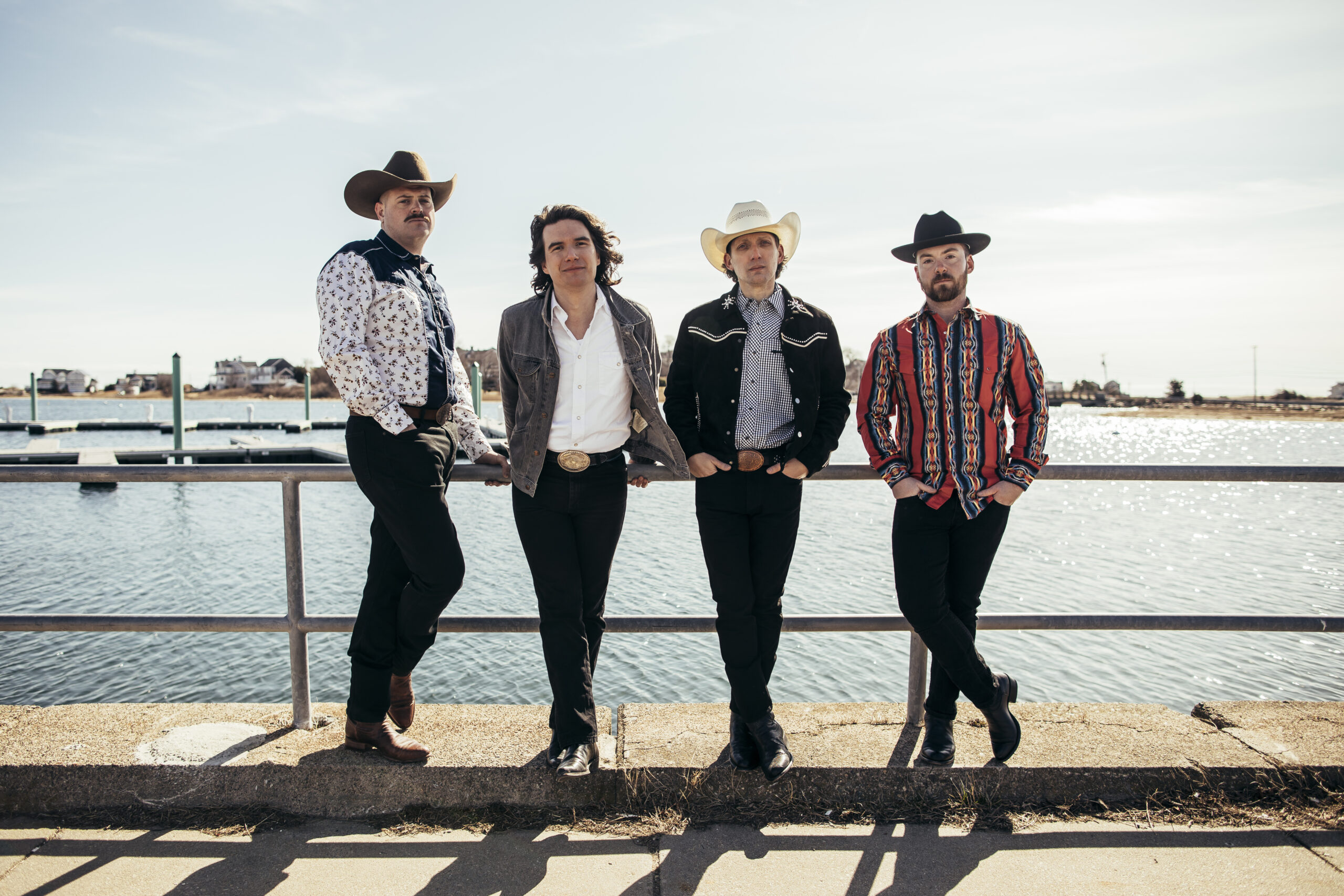

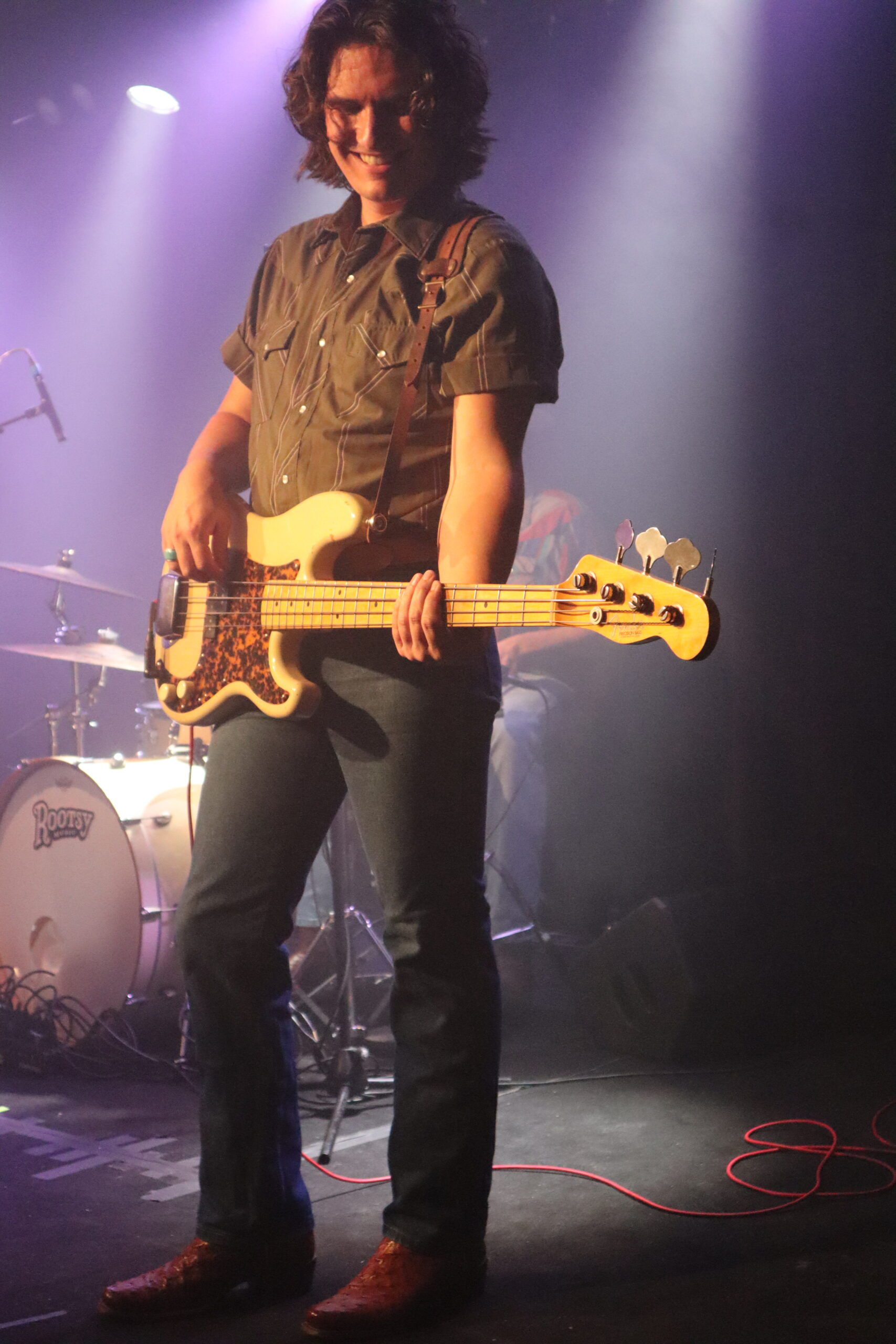
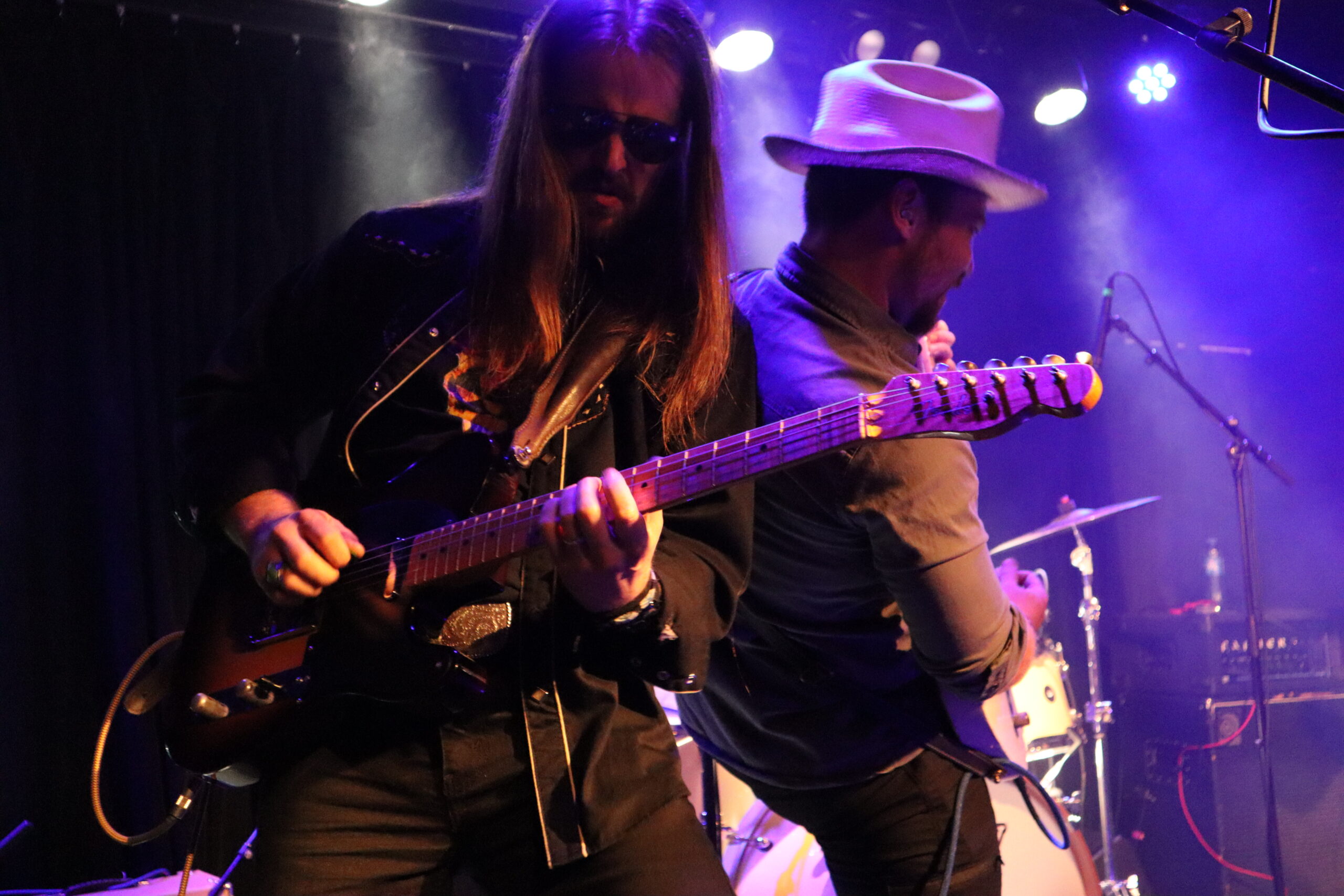
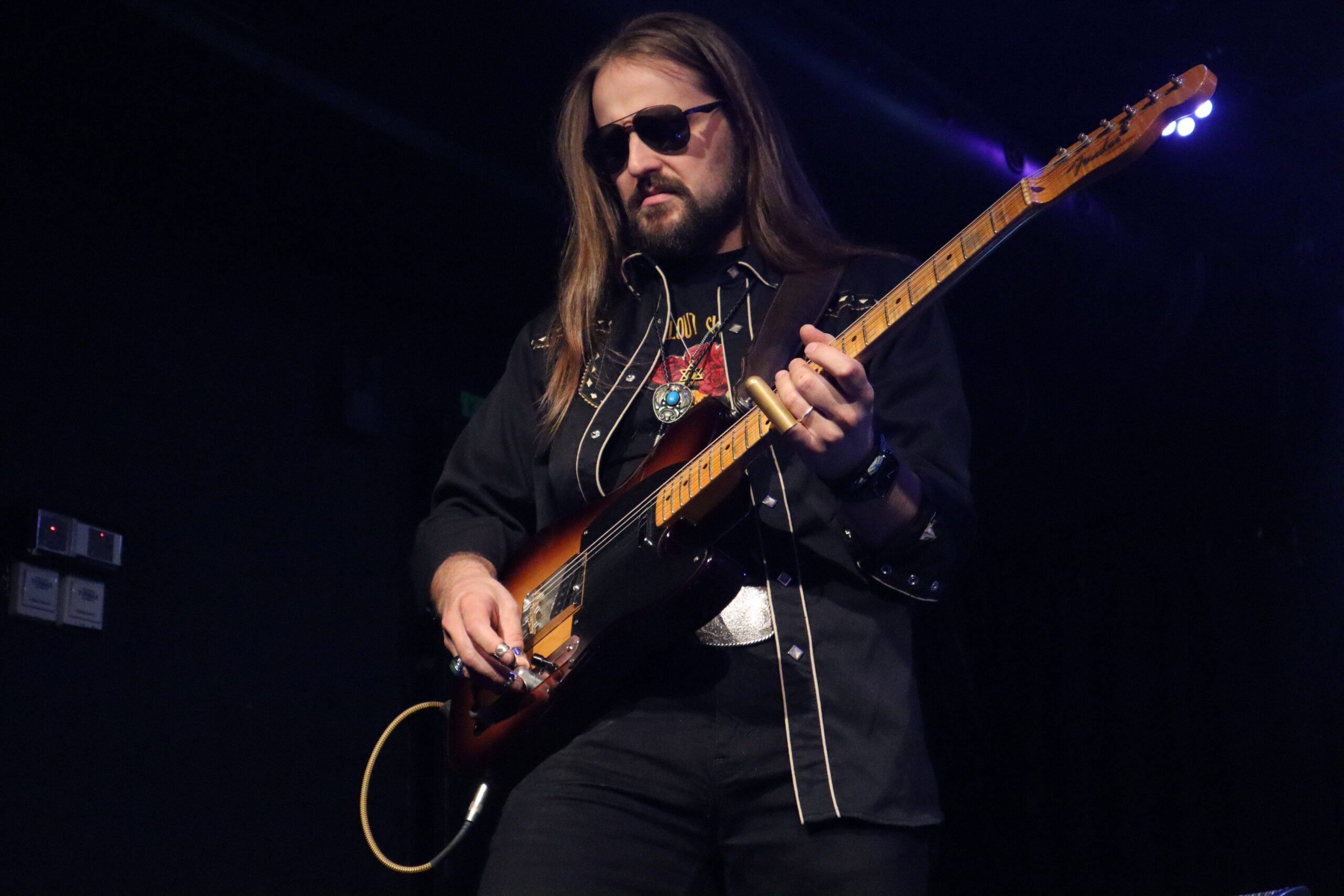
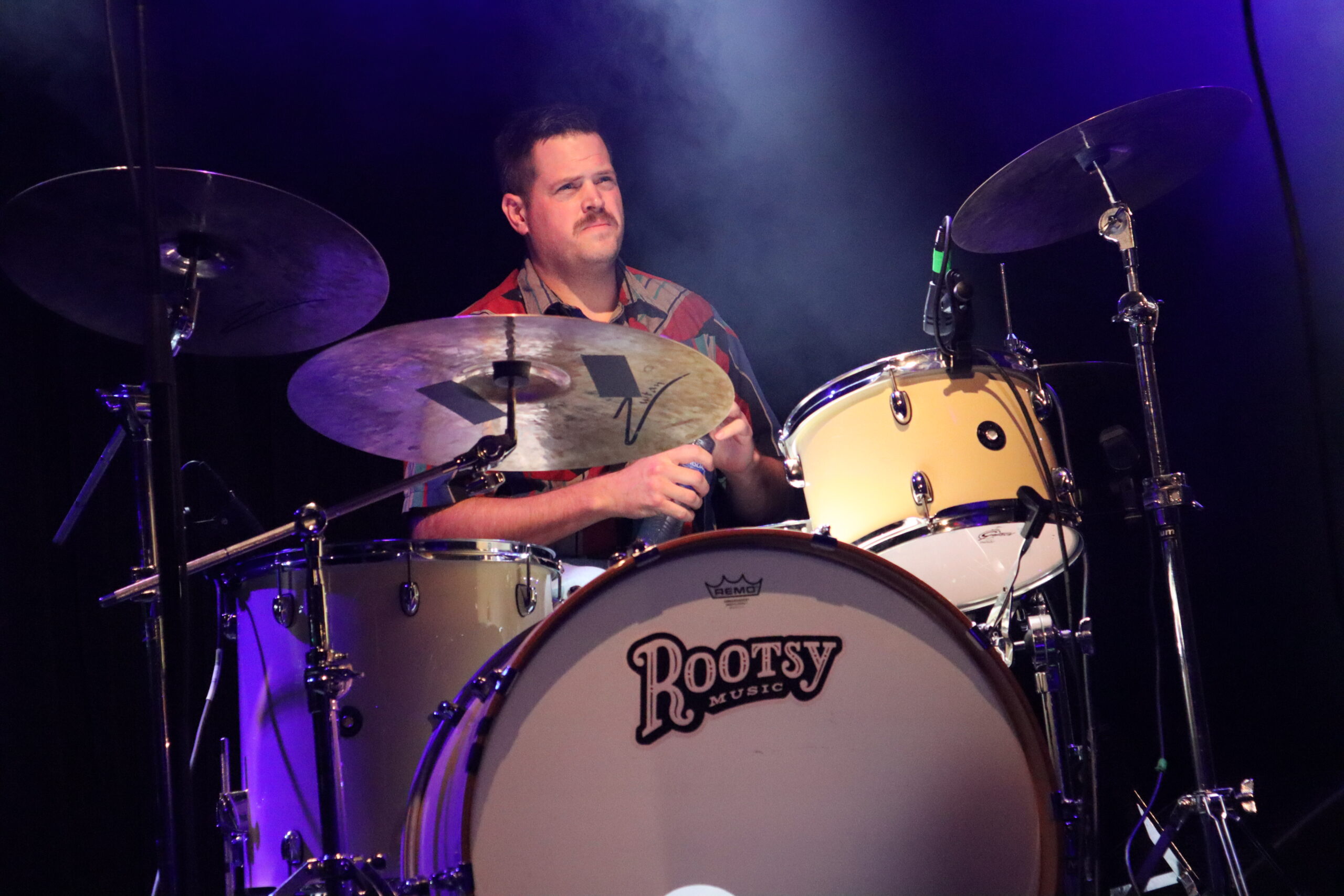
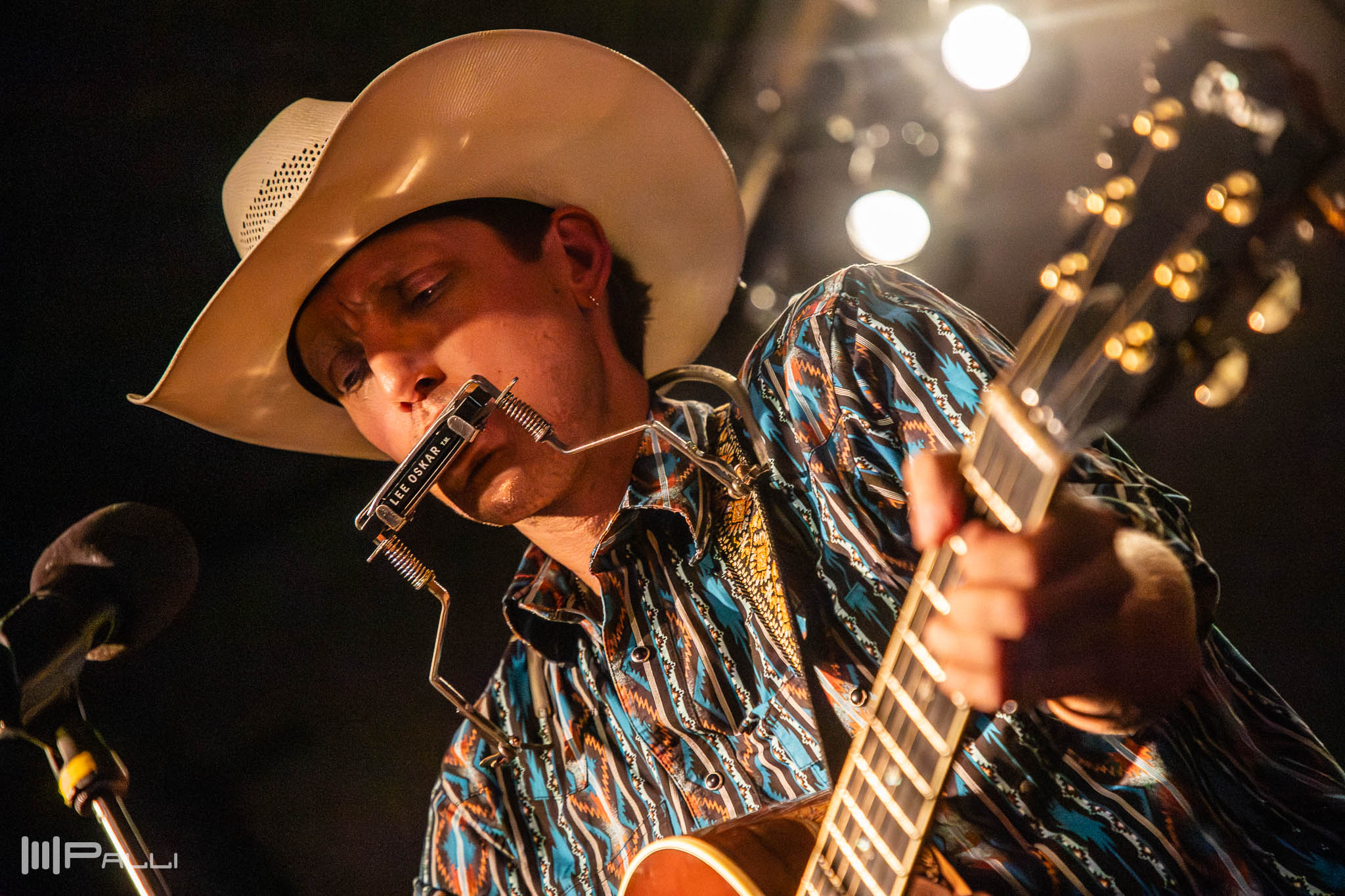

What does home really mean? Is it a place, the people we surround ourselves with, or a time in our lives that will never return? When I meet Ward Hayden and Greg Hall ahead of their concert at Debaser in Stockholm, our conversation about the new album Forever Homesick also becomes a story of friendship, trust, and music’s ability to help us understand both ourselves and one another.
The first time I saw Ward Hayden & The Outliers was in February 2024. It was their interpretations of Springsteen’s songs that drew me in, particularly a version of Brilliant Disguise that left a lasting impression. I have followed the band ever since, most recently at Katalin in Uppsala last December.
Now, as I meet Ward Hayden and bassist Greg Hall ahead of their concert at Debaser on October 5, much has changed. The band has a partly new lineup, and both Ward and Greg have lived through experiences that have left their mark on the music.
But something else has become clearer, too. Their friendship is more than an important part of the band’s history. It has become the very thing that allows the band to carry on.
A band finding a new direction
Ward and Greg explain that the changes of the past few years have given them reason to reflect on what they really want for The Outliers.
“We hadn’t planned to change the band’s lineup, but when it happened, we were lucky enough to already know musicians who were a really good fit,” Ward says.
Guitarists Tyler Marshall and Sam Crawford had both played with the band before, while drummer Patrick Brown had a longstanding musical relationship with Greg.
The changes also marked the beginning of a new musical direction.
“Ward and I talked a lot about what we wanted the band to sound like. We decided to put even more emphasis on songwriting and country music,” Greg says.
But when I ask what the new musicians have brought to the band, their answers are as much about the people as the music.
“Everyone can contribute ideas, and no one takes offense if an idea isn’t used. When you spend half the year together on a tour bus, that’s incredibly important,” Greg says.
Ward describes the new lineup’s approach as almost selfless.
“Everyone listens to the songs and tries to find their parts based on what best serves the story. It’s about working together and making the music as good as it can be.”
It is an approach Greg hopes will shape the next full-band album.
“I hope we can capture the energy and friendship we have onstage. Ward has written some really beautiful songs, and our job is to help him tell those stories.”
The friendship that kept the band alive
When the conversation turns to the relationship between Ward and Greg, the tone shifts.
Ward recalls a period of intense anxiety in his personal life. His wife was going through a very complicated pregnancy and was being cared for in the hospital. At the same time, the band needed to find new musicians and prepare for upcoming shows.
“It was an incredibly difficult time. I’d never experienced anything like it. In the middle of everything that was happening in my personal life, we also had to deal with major changes in the band.”
But Greg stayed.
“A friend said to me afterward that Greg had stayed. And I just said, ‘I know.’”
Together, they kept working, sometimes while Ward was at the hospital.
“We rebuilt the band and didn’t cancel a single show.”
Greg describes a friendship built on complete trust.
“I never worry about Ward. If he says he’s going to do something, I know it’ll get done. And he feels the same way about me. We have different strengths that complement each other. Every musician should get to experience what it feels like to have someone you can trust that much.”
I ask Ward whether The Outliers would be the same band today without their relationship.
“No, absolutely not. I think certain things happen for a reason. Greg came into my life when he did for a reason. Sometimes you simply have to trust the process.”
It is hard not to think about how much of what we call a band’s history is really about the people behind the music.
Springsteen opened the door to the personal
We turn to Bruce Springsteen, whose songs Ward Hayden & The Outliers have spent several years interpreting.
I ask whether working with Springsteen’s music has changed Ward’s own songwriting.
“Yes, absolutely. We had the chance to go deep and study how he built his songs. How he used the instruments, the arrangements, the tension, and the stories. Then we could take the songs apart and rebuild them in our own way.”
Above all, though, it is Springsteen’s ability to write about difficult emotions and relationships that has influenced him.
“I’ve really been inspired by his willingness and ability to write about difficult things. Especially family relationships.”
Ward says he has found it difficult to write directly about his own relationships with family members.
“No matter how hard a parent tries, I think there’s almost always some kind of pain in those relationships, too. And that’s hard to get at, and even harder to share.”
One song that has taken on particular significance for him is Used Cars.
“Every time we play it, it’s like a little film playing in my head.”
He remembers how, as a teenager, he began comparing his family’s battered Dodge Caravan with the much nicer cars other parents drove.
“You started to understand your own family’s economic and social standing. I remember the feelings of inadequacy and envy. I never liked them.”
Over the years, he has tried to change his relationship with those feelings.
“Envy has never done me any good. Of course it still comes up sometimes. I’m human, after all. But I try not to let it control me.”
Listening to him, I understand even more clearly why the band’s performance of Used Cars at Katalin in December moved me so deeply.
A recording that changed My Father’s House
Our conversation also takes us back to something that began after my first encounter with the band in 2024.
I had sent Ward a recording of Springsteen performing My Father’s House from Nebraska, along with an extended story that adds another dimension to the song.
It turns out that the recording meant more than I could have imagined.
“Martin, I don’t know if I’ve told you this, but what you sent actually helped us choose which songs to record.”
Ward says he has always loved Nebraska, but My Father’s House used to be one of the songs he had never quite connected with.
“If I was going to skip a song on the album, it was probably that one.”
Then he heard the recording.
“I was moved in a way that music has very rarely moved me. The story Bruce told before the song, and the way he then sang it, suddenly gave it a completely different meaning.”
It also changed how Ward wanted to approach the song.
“It gave me the foundation for how I thought we could perform it and tell that story. It became one of my absolute favorites of the whole project.”
We talk about Springsteen’s complicated relationship with his father, about reconciliation, and about the feelings we carry with us from childhood.
And somewhere along the way, it becomes clear that we are no longer just talking about music.
We are talking about life.
Longing for a home that no longer exists
On the new album Forever Homesick, which is not yet available on streaming services or in record stores but is already being sold on the band’s tour, Ward and Greg have chosen a more stripped-back, acoustic sound.
It is their first entirely acoustic album, with guitars, double bass, harmonica, and vocal harmonies leaving room for the stories.
“We had songs we’d tried to arrange for the full band without quite getting them right. When we stripped them back to their basic elements, we could put more emphasis on the lyrics and the stories,” Ward explains.
The album revolves around leaving home, returning, and trying to understand what it really means to belong.
But when I ask Ward and Greg to expand on their thoughts, it turns out that their perspectives differ in some ways.
For Ward, homesickness is about more than a place.
“When I moved back to my hometown, I discovered that I was longing for a time that had passed. I thought back to my younger days, when more of my friends and family members were still there.”
He says the feeling remains, even though there is much in his life now that makes him happy.
“I can still feel a powerful longing for a time fifteen or twenty years behind me.”
For Greg, homesickness has more to do with loneliness and a sense of connection.
“For me, homesickness is more a feeling of isolation than a longing for a particular place. And you can feel lonely anywhere in the world.”
His way of dealing with that feeling is to surround himself with people he cares about.
“That can be back in my hometown or out on the road with The Outliers. On this tour, I’ve actually felt at home in hotels and venues we’ve been to five times or more.”
I am struck by the difference between their answers.
Ward longs for a time that no longer exists.
Greg finds home in the people he shares his life with.
And perhaps that also says something about why their friendship has become so important.
The hometown as a reflection of our relationships
One of the songs on Forever Homesick is called “(Breaking Up With) My Hometown”.
Ward began writing it shortly before moving back to his hometown of Scituate and finished it about a year after his return.
“I’ve always felt my hometown pulling me back like a magnet. Even when I’ve been away for years, I’ve wondered what’s happening there, in the life I once knew so well.”
But the song is about far more than a geographical place.
“The hometown represents my friendships, some of my early romantic relationships, and my family, too.”
He says he spent a long time trying to avoid certain feelings associated with growing up.
“When I moved back, I realized I needed to face them and start working through them if I was going to feel good and be happy living there again.”
This is also where Springsteen’s influence becomes clear.
“By using the hometown as a broader theme, I’ve been able to start writing about things I’m trying to work through myself. Including relationships I haven’t quite been able to approach more directly yet.”
Greg’s song 16 Hands approaches childhood from a different angle.
It is about his sister and her horse, who grew up together over fifteen years.
“They had a very special bond. They won awards together and shared so many years of their lives.”
Greg grew up on a horse farm, and in the song he tells his sister’s story through his own childhood memories.
“I wanted to capture the wistfulness you can feel when you look back on that time.”
They are two different stories, but they share the same insight: the past lives on within us, even when life has moved on.
The American dream – a promise that has changed
Toward the end of our conversation, we turn to the United States and the deep political divisions shaping the country.
I ask whether music can still bring together people with completely different views.
Ward describes how difficult it has become to find common ground when people no longer even agree on basic facts.
“We stand on a stage and try to create something people can experience together. Something that brings joy.”
He does not believe music can automatically resolve political conflicts, but perhaps it can open doors.
“If music gets people to see each other differently, maybe it also becomes easier to listen to each other. We have to start somewhere.”
Greg agrees.
“We’re trying to bring people together through the joy of music. And we’re going to keep trying.”
When I then ask Ward what the American dream means to him today, he talks about the differences between generations.
His parents grew up in a society where education and hard work often led to a secure future. Ward himself got to experience something similar.
But Greg, who is twelve years younger, encountered a different reality.
“His generation was told to get an education and then they’d get good jobs. But many came out of college with huge debts and discovered the jobs weren’t there.”
Greg wrote the song Raised to Be Restless about that very experience.
“It’s about the frustration of being told we could go further than our parents if we just studied and got an education. Then we discovered we’d been sold a story that wasn’t true.”
But Greg has not abandoned the idea of the American dream. He has redefined it.
“For me, it’s about giving everything you have to what you’re truly passionate about. In my case, that means building a long-term career in music.”
Ward recognizes the feeling.
“I’ve always found it hard to simply conform. If something isn’t offered to me, I try to find another way. I’m willing to work hard and make sacrifices to create a life I can be happy in.”
It is an outlook that also shapes how they see the band’s future.
After earlier experiences with record deals in which Ward lost control of both recordings and rights, they now want to retain ownership of their music as much as possible.
“We’ve been doing this long enough to understand how important that is. And as long as the fans keep supporting us, we can keep going. They’re the fuel that keeps the engine running,” Ward says.
The music that helps us understand one another
We have been talking for almost fifty minutes when Ward and Greg need to start getting ready for the evening’s concert.
But before we part, we return once more to Springsteen’s lyrics.
I tell them about a recent conversation I had with pastor Robert Eriksson, who sees Badlands, among other things, as a song about being present in your own life and not letting dark thoughts take over.
Ward listens with interest.
“Lyrics are what engage me most in music. I love hearing other people’s interpretations, even when they differ from my own.”
He continues:
“A song can mean one thing to me, another to Greg, and something completely different to someone in the audience. I love that. That’s the beauty of it all.”
As I leave them, I think about how our conversation began with a band that had been through major changes.
But also about what has become clearer during our time together.
Ward Hayden & The Outliers is about more than which musicians are onstage.
It is about friendship and trust. About having the courage to start again when life changes. About memories that can both hurt and bring comfort.
And perhaps above all, about how music can still help us understand both ourselves and one another.